Haringey Council skip and parking permit rules for movers
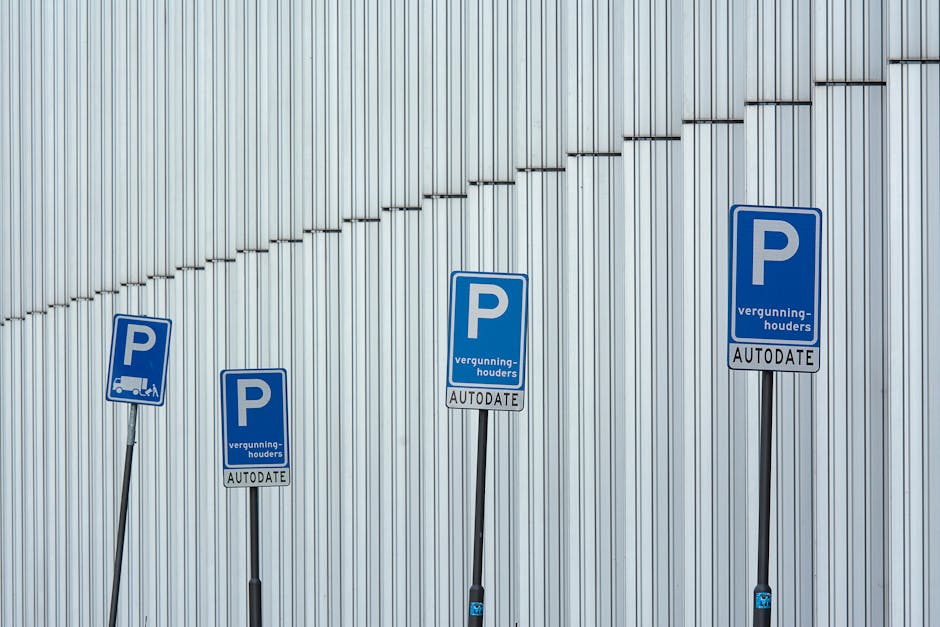
If you are planning a move in Haringey, the small details can become the big headaches. A skip on the street, a van outside the house, a neighbour's complaint about blocked access, or a permit that was never sorted properly can turn a straightforward moving day into a messy one. That is why understanding Haringey Council skip and parking permit rules for movers matters before the first box is lifted. The good news? Once you know what usually needs permission, what needs checking, and what can be arranged in advance, the whole process gets much calmer.
This guide breaks down the practical side of moving in Haringey: when parking permission may be needed, how skips fit into the picture, what movers should check, and the common mistakes that catch people out. You will also find a checklist, a comparison table, and a realistic example from a typical London move. Nothing fancy. Just the stuff that actually helps on the day.
- Why these rules matter
- How the rules work in practice
- Benefits of planning ahead
- Who needs to pay attention
- Step-by-step guidance
- Expert tips
- Common mistakes to avoid
- Tools, resources and recommendations
- Law, compliance and best practice
- Options and comparison
- Real-world example
- Practical checklist
- Frequently asked questions
Why Haringey Council skip and parking permit rules for movers Matters
Moving day is rarely as neat as the plan on paper. In a borough like Haringey, space is tight, streets can be busy, and a vehicle stopping in the wrong place can create problems very quickly. A skip placed without the right permission may be treated as an obstruction issue. A van parked where a permit is required can risk a penalty or a forced move. And if the access route is blocked, everyone on the street feels it, not just the person moving.
That is the real reason this topic matters. It is not about bureaucracy for its own sake. It is about avoiding delays, fines, neighbour complaints, and that awful feeling when a removal team is ready but the street setup is not. Let's face it, nobody wants to be stood on the pavement at 8:15 in the morning, arguing with a driver about where the van can legally sit.
For home movers, the issue often comes down to keeping the front of the property clear long enough to load safely. For businesses, the pressure can be even greater because staff, customers, and deliveries may all be affected. If you are arranging a larger move, something like commercial moves support or office relocation services can help you plan the logistics around permits, loading access, and timing.
There is also a practical trust issue here. A mover who understands parking and skip requirements looks organised. A mover who leaves it until the last minute tends to make everyone else work around the chaos. Truth be told, councils notice that difference too.
Expert summary: In Haringey, the safest moving plan is the one that assumes parking space will be limited, loading time will be tight, and any street furniture, skip, or vehicle placement may need checking before move day.
How Haringey Council skip and parking permit rules for movers Works
In simple terms, you are usually dealing with two separate but connected questions: where can the vehicle stop? and can anything be placed on the road? A removals van may need loading access on a restricted street, while a skip may need a permit if it is going onto the highway or another controlled public area. The exact permission depends on the street, the duration, the vehicle size, and whether any restrictions apply at that time.
For movers, the parking side usually matters most. Many streets in Haringey have controlled parking zones, bays with time limits, yellow lines, or loading restrictions. In practice, this means your removal vehicle may need a visitor permit, a suspension, or another form of approval depending on the location and the council's current process. If you are using a man and van or a man with van service, the driver will often need precise instructions about access and stopping points.
Skips add another layer. If a skip is placed on private property, such as a driveway or forecourt, permissions are usually simpler. But if it needs to sit on the road, a permit is commonly required. That is especially relevant during bulky clear-outs, pre-move decluttering, or end-of-tenancy clean-ups. If you only need to remove a few large items rather than rent a skip, something like furniture pick-up can be a cleaner option.
One thing people often miss: even if the skip or van is only there for a short period, restrictions can still apply. "It'll only be ten minutes" is not a defence that tends to impress a civil enforcement officer. Moving without checking first can be a surprisingly expensive way to learn that lesson.
For bigger or heavier loads, it may be worth considering a moving truck or removal truck hire if the access point and parking plan support it. The larger the vehicle, the more important it becomes to confirm turning space, stopping distance, and the exact loading location.
Key Benefits and Practical Advantages
Getting the parking and skip arrangement right is not just about compliance. It has direct practical benefits that make the whole move smoother.
- Fewer delays: The team can start loading sooner when the vehicle is legally in place.
- Lower stress: Nobody is running around the street trying to improvise a solution at the last minute.
- Reduced risk of penalties: Proper permits and permissions reduce the chance of enforcement action.
- Better coordination: Packing, lifting, and transport all move more efficiently when the space is planned.
- Improved safety: Clear access means fewer awkward lifts, less traffic conflict, and less risk of damage.
- Better neighbour relations: A tidy, organised move is a lot less irritating for everyone nearby.
There is also a subtle financial benefit. Delays cost money. Extra waiting time, rescheduling, rushed decisions, and avoidable penalties can all eat into a moving budget. If you are moving a family home, using home moves support or working with house removalists may seem like a bigger upfront cost, but in practice it can save you from the expensive little surprises that often show up on moving day.
And then there is peace of mind. Once the permit side is sorted, you can focus on the actual move: the kettle box, the cable drawer, the one chair that always ends up in the wrong room. You know the one.
Who This Is For and When It Makes Sense
This topic matters to more people than you might think. It is not just for large removals firms or people moving out of a townhouse with a long driveway. In Haringey, permit and skip planning can affect all sorts of movers.
- Home movers: Especially if the property is on a busy road, in a controlled parking zone, or on a narrow street.
- Tenants ending a lease: Good planning helps avoid access issues on a tight turnaround.
- Landlords and letting agents: Useful when coordinating between incoming and outgoing occupiers.
- Businesses relocating: Office moves often need loading windows and temporary parking arrangements.
- People decluttering before moving: Skip arrangements can be helpful when clearing lofts, garages, or old furniture.
- Removal teams and van operators: They need accurate access information to do the job properly.
This is most important when your move involves any of the following: on-street parking, a skip on a public road, timed access, tight streets, a large van or truck, or bulky items that cannot simply be carried out in a single trip. If you are using packing help as well, packing and unpacking services can make the schedule easier to manage, because the team can stage items in a way that suits the vehicle and loading route.
For business moves, timing is everything. Staff can't be blocked in all day, and customers rarely enjoy arriving to find a van wedged across the frontage. That is why commercial moves and office relocation services usually benefit from more detailed permit planning than a small domestic move.
Step-by-Step Guidance
If you want to avoid unnecessary hassle, treat the permit and skip question as part of the moving plan, not an afterthought. Here is a sensible way to handle it.
- Check the property access early. Look at the street layout, parking restrictions, bay markings, yellow lines, and how much room a van or skip would actually need.
- Decide what vehicle or container you need. A small van, a larger moving truck, or a skip all create different access needs. Don't guess; match the vehicle to the job.
- Confirm whether parking permission is needed. If the street is controlled or space is limited, assume some form of permission may be required until you confirm otherwise.
- Ask about skip placement rules. If the skip might sit on the highway rather than private land, check whether a permit or approval is needed.
- Build the permit timing into the move plan. Leave enough lead time so paperwork, approvals, and scheduling are not rushed.
- Share clear instructions with the mover. Give the driver the exact address, the best stopping point, any gate codes, and a backup plan if the bay is occupied.
- Prepare the loading area. Put boxes near the exit, clear hallways, and make sure the route is safe and open.
- Keep evidence and confirmation handy. Save permit details, contact numbers, and any agreed instructions in one place.
A useful habit is to think in layers: first the street, then the vehicle, then the loading route, then the items themselves. That may sound a bit clinical, but it works. It keeps you from treating the permit as a separate admin task when it is really part of the physical move.
If you need a larger vehicle setup, it may be worth comparing a standard van against moving truck hire or removal truck hire. Bigger is not always better. In some Haringey streets, a smaller vehicle with easier access beats a giant truck that causes a parking headache. Easy win, honestly.
Expert Tips for Better Results
After enough moves, a few patterns become obvious. Most problems are not dramatic; they are just avoidable. Here are the tips that save time and irritation.
- Measure the access, not just the rooms. A roomy flat can still have a terrible loading point if the lift, stairs, and pavement are awkward.
- Plan for the street at the busiest time. Morning school runs, lunch deliveries, and commuter traffic can all change the picture.
- Keep one person in charge of parking. Too many cooks, as they say, usually means nobody is really watching the van.
- Use smaller loads where needed. If the road is awkward, a few well-planned trips may be easier than one oversized vehicle.
- Clear bulky waste before move day. A cluttered hallway slows everything down and makes loading riskier.
- Have a backup contact number. If the driver arrives early or the bay is taken, quick communication can save ten minutes that somehow become thirty.
- Ask the mover what they need from you. Good removal teams usually know the local pinch points and will tell you what matters.
Here is one small but useful detail: if you are moving from a terraced property or a street with tight one-way access, the driver may need a practical plan for where to pull in, where to wait, and where not to stop. That is the sort of thing people forget until a neighbour's bin lorry appears behind them. Then the mood changes.
For people handling a more selective move, such as moving only a sofa, table, or a few hard-to-shift items, a furniture pick-up can reduce the need for a skip altogether. Fewer items, fewer complications.
Common Mistakes to Avoid
The mistakes here are usually simple, which is exactly why they happen so often. A quick check now is better than a stressful apology later.
- Leaving parking until the day before. By then, the best options may already be gone.
- Assuming a short stop is automatically okay. Restrictions still apply even for a brief loading window.
- Forgetting that skips can need permission. People often focus on the van and overlook the skip entirely.
- Choosing the wrong vehicle size. Too small means extra trips; too large can mean access problems.
- Not checking for bay suspensions or local restrictions. A normal parking space may not be available the way you expect.
- Failing to tell neighbours. Not always required, but a polite heads-up can avoid tension on the morning.
- Leaving bulky waste for the moving team to solve. If something needs disposal, deal with it earlier where possible.
One mistake that sounds minor but causes real trouble is poor communication between the person arranging the move and the people doing the lifting. If the driver thinks there is a loading bay and the resident thinks there is street space, you can see the problem already. It happens. More often than anyone likes to admit.
Tools, Resources and Recommendations
You do not need a complicated toolkit to manage this properly, but a few practical items make life easier.
- A printed move plan: Include address, times, access notes, and contact numbers.
- Phone photos of the street: Useful for showing parking layout, access width, and any awkward restrictions.
- Boxes and labels: Faster loading means less time on the street, which matters when parking is tight.
- Tape measure: Handy if you are checking whether a van or truck will fit safely.
- Contact details in one place: Driver, property contact, and anyone managing the permit side.
If you are not sure which service type fits your move, it helps to compare your options before booking. For a lighter, flexible move, man with van can be enough. For a fuller household job, house removalists may be the better fit. If you are shifting a full property or lots of furniture, a truck-based service is often more efficient.
It can also help to review the company pages directly, especially if your move has mixed needs. For example, some customers combine a home move with packing support and a vehicle hire option, while others just need a straightforward transport plan. If you want to understand the wider service range, home moves and about us can give a clearer picture of how the team works. If you still have questions after that, the most direct path is contact us.
Law, Compliance, Standards, or Best Practice
Parking and skip arrangements are not just logistics; they sit within local parking controls, highway rules, and general duties to avoid obstruction or unsafe access. The exact process may vary by street and by the type of activity, so it is wise to treat any local permission requirement seriously rather than casually. If a council approval is needed, it usually makes sense to get it sorted before the moving date instead of relying on "we'll see how it goes." That approach is rarely the winning one.
In practical terms, best practice means this:
- do not block pedestrians, dropped kerbs, or emergency access;
- do not assume loading restrictions are flexible;
- place skips only where they are allowed;
- keep the moving footprint as small and tidy as possible;
- communicate clearly with the mover and, if relevant, the skip provider;
- allow enough time for approvals, rescheduling, or unforeseen street issues.
For businesses, compliance standards are even more important because staff and public access can be affected. In commercial settings, poor parking planning can interrupt trading, create delivery issues, and make the move feel chaotic. That is why many firms prefer a coordinated setup that includes vehicle access planning, packing support, and a move window that avoids peak disruption.
To be fair, most movers are not trying to cause problems. They are just trying to work fast. But fast without planning can still become slow. That is the bit worth remembering.
Options, Methods, or Comparison Table
Different move types call for different solutions. The best choice depends on how much you are moving, how tight the street is, and whether waste removal is part of the job.
| Option | Best for | Main advantage | Possible drawback |
|---|---|---|---|
| Small van / man and van | Light to medium moves, flexible access | Easier to park and manoeuvre | May need more trips |
| Moving truck | Larger household loads | More capacity in one go | Needs more space and planning |
| Removal truck hire | Full property moves or bulky loads | Efficient for bigger jobs | Can be awkward on narrow streets |
| Skip on private land | Clear-outs before or after moving | Useful for large waste volumes | Requires space on the property |
| Skip on road | Where no private space exists | Convenient for larger clearances | May need permission or permit |
| Furniture pick-up / item removal | Single items or small clearances | Simple and targeted | Not ideal for full house contents |
The right answer is usually the least complicated one that still fits the job. If you only have a few large items to remove, there is no prize for booking a giant setup. Likewise, if your whole flat is coming with you, trying to do it all with one small van can become an exercise in patience. And nobody needs more of that.
Case Study or Real-World Example
Imagine a family moving from a first-floor flat in Haringey into a terraced house a few streets away. The outgoing property is on a road with controlled parking, and the new place has limited frontage space. They also have a sofa, dining table, cot, two wardrobes, and a few bags of items they no longer want.
At first, they think a van can simply pull up outside both properties. Then they check the street and realise parking is tighter than expected. They also notice that getting rid of the unwanted furniture will be easier if it is handled separately rather than bundled into the move. So they split the job into three parts: confirm parking arrangements, arrange transport, and remove the excess items in advance.
They choose a smaller vehicle for the narrow road, use a loading plan for the front of the property, and book a furniture removal service for the pieces they are not taking. The move is still busy, of course. There are always boxes that seem to multiply overnight. But the loading itself is calm, the driver knows where to stop, and the family is not trying to figure out parking while carrying a mattress down the stairs.
That is the lesson: a sensible plan can turn a cramped, stressful move into a manageable one. Not perfect. Just manageable. And on moving day, manageable is a lovely word.
Practical Checklist
Use this checklist before moving day. It keeps the permit and access side under control.
- Check whether the street has parking restrictions or loading limits.
- Confirm if any parking permit, suspension, or approval is needed.
- Find out whether the skip will be on private land or public road.
- Choose the right vehicle size for the street and the load.
- Share access notes with the mover early.
- Tell the household or office team where items should be staged.
- Remove unwanted furniture or waste before the main move if possible.
- Keep permit details and contact numbers accessible on the day.
- Plan for a backup option if the nearest parking bay is occupied.
- Leave a little breathing room in the timetable. Always helps.
Quick reminder: If the move involves heavy lifting, limited parking, or a bulky clearance, it is better to over-prepare than to improvise on the pavement while everyone watches the clock.
Get a free quote today and see how much you can save.
Conclusion
Haringey moves are usually easiest when the street plan is sorted before the moving team arrives. That means checking parking restrictions, thinking about whether a skip needs permission, choosing the right vehicle, and making sure the loading point is realistic for the space you actually have. None of that is glamorous. But it is exactly what keeps the move from becoming a headache.
If you take one thing from this guide, let it be this: the permit and parking side is not separate from the move; it is part of the move. Deal with it early, keep the instructions clear, and pick the simplest workable setup for your street and your load. You will thank yourself later, probably while holding a mug of tea in a half-packed kitchen.
And if you are still weighing up the best service for your situation, use the pages above to compare your options, then choose the one that fits your property, your timing, and your tolerance for hassle. A smoother move starts with a calmer street.
Frequently Asked Questions
Do I need a parking permit for movers in Haringey?
It depends on the street, the parking controls in place, and how long the vehicle needs to stop. If the road has restrictions or limited loading space, a permit or other permission may be required. It is best to check before move day rather than assuming a short stop will be fine.
Can I put a skip on the road outside my house in Haringey?
Sometimes, but not automatically. A skip placed on private land is usually simpler. If it needs to go on the public highway, a permit or approval may be needed. The exact requirement depends on the location and local rules, so do not leave this until the last minute.
What happens if a van blocks the street during a move?
If a vehicle causes an obstruction or is parked against restrictions, it can lead to enforcement action, delays, or complaints from neighbours. Even where the move is legitimate, access still needs to be managed safely and legally.
Is a man and van service easier for parking than a large removals truck?
Usually, yes. A smaller vehicle is generally easier to park, turn, and load in tighter streets. But the right choice depends on the amount being moved. A smaller van can be simpler on the road, but it may need more trips.
Should I clear unwanted furniture before moving day?
Yes, if you can. Removing bulky items in advance makes the main move cleaner and faster. It also reduces the chance that the removal team has to work around items that are not coming with you. That makes life easier for everyone.
What is the difference between a parking permit and a skip permit?
A parking permit helps with where a vehicle can stop or load. A skip permit relates to placing a skip in a controlled public area, usually the road or highway. They solve different problems, although both are part of the wider moving plan.
How far in advance should I sort parking and skip arrangements?
As early as you reasonably can. The exact lead time may vary, but leaving it to the week of the move is risky. If your street is busy or the move involves a large vehicle, earlier planning is much safer.
Can packing services help with permit-related moving issues?
Indirectly, yes. Good packing and staging can make loading faster and reduce the time a vehicle needs to be in position. That can be helpful when parking space is limited or when the move has to fit into a narrow time window.
What if my street is too tight for a truck?
Then a smaller van, split load, or alternative access plan may be a better option. In some cases, it is smarter to choose a more compact vehicle rather than forcing a large truck into an awkward road. The street decides more than people think.
Do business moves need more planning than home moves?
Often, yes. Commercial moves can affect staff, customers, delivery schedules, and building access. That means parking and loading arrangements need to be more carefully coordinated, especially in busier parts of Haringey.
What should I tell my removal company before moving day?
Tell them about parking restrictions, access issues, stairs, lifts, loading bay availability, bulky items, and whether any skip or waste removal is involved. The more accurate the information, the easier it is for them to plan the right vehicle and timing.
Where can I get help if I am not sure which service I need?
If your move is straightforward, a smaller service may be enough. If it is larger, more complicated, or involves packing and clearing out items, it may be worth comparing home move, van, truck, and packing options first. If in doubt, use the contact page and explain the street, property type, and load. A bit of detail goes a long way.